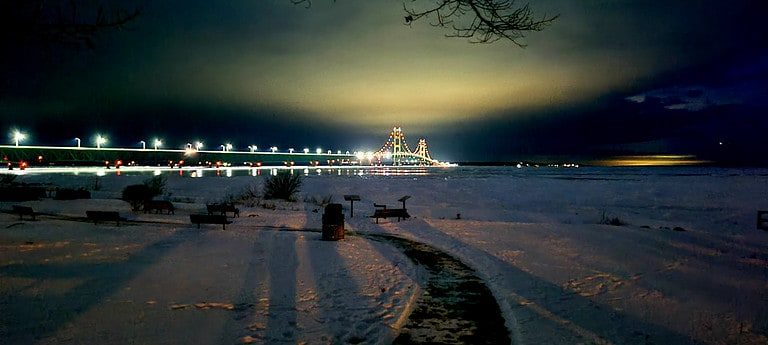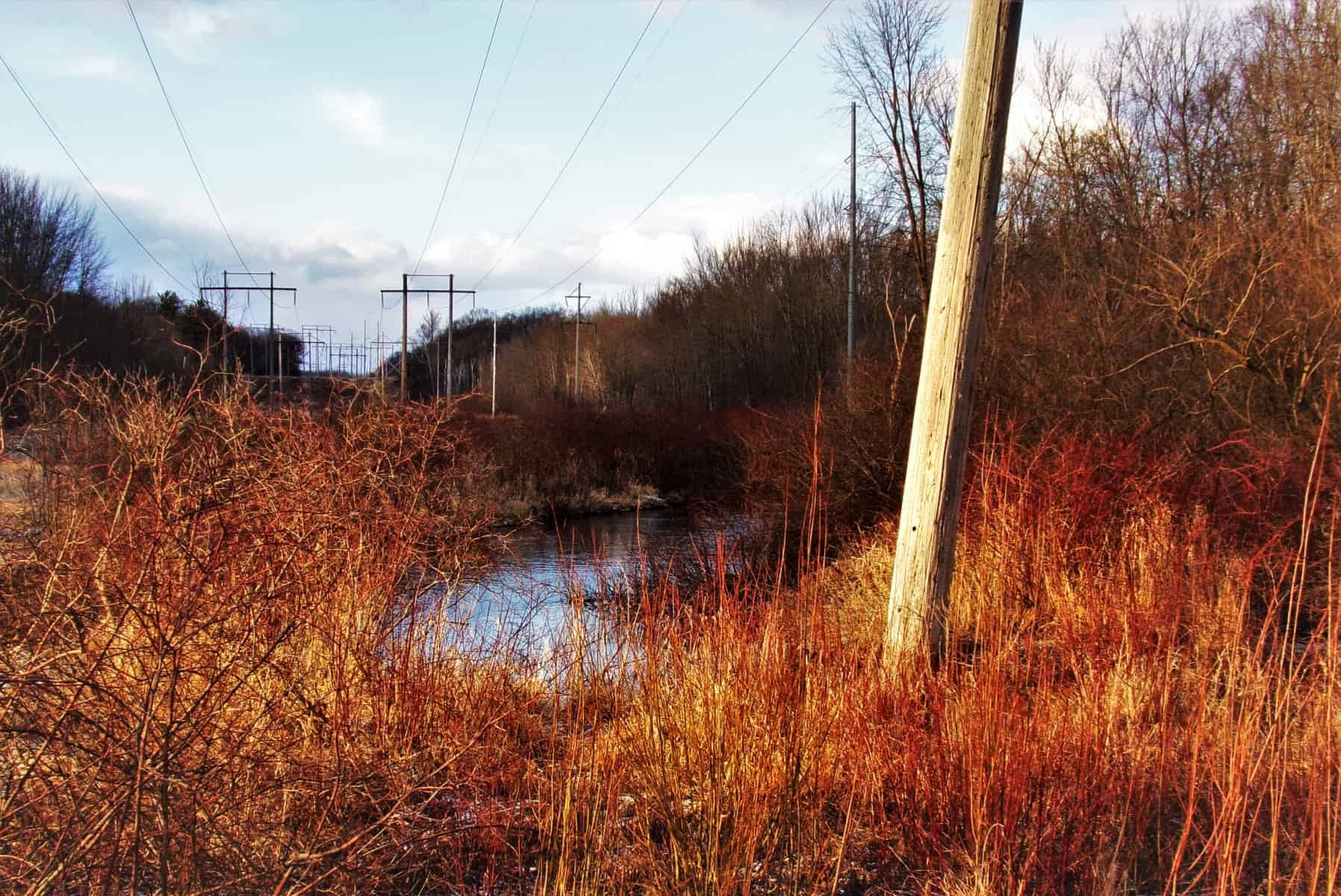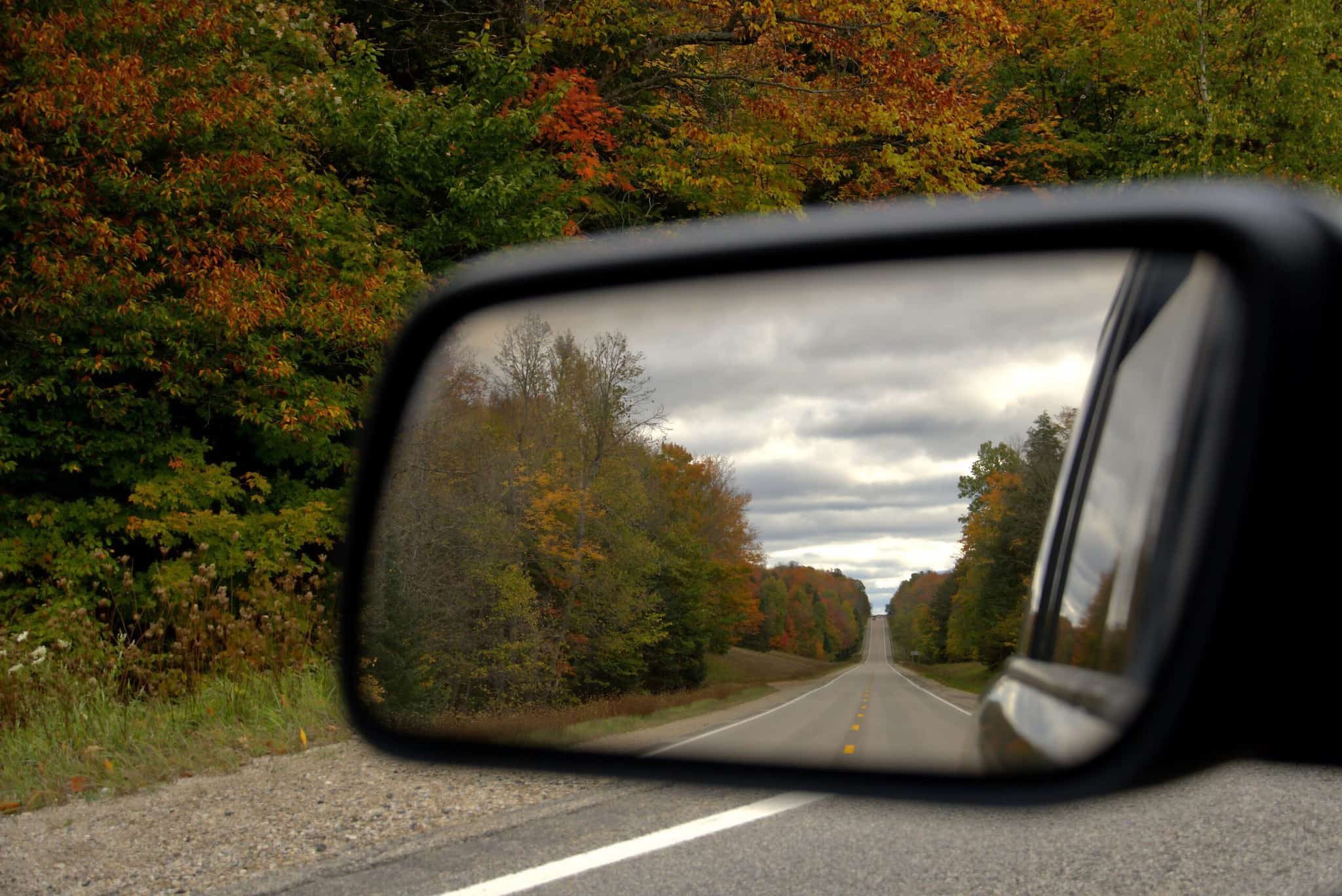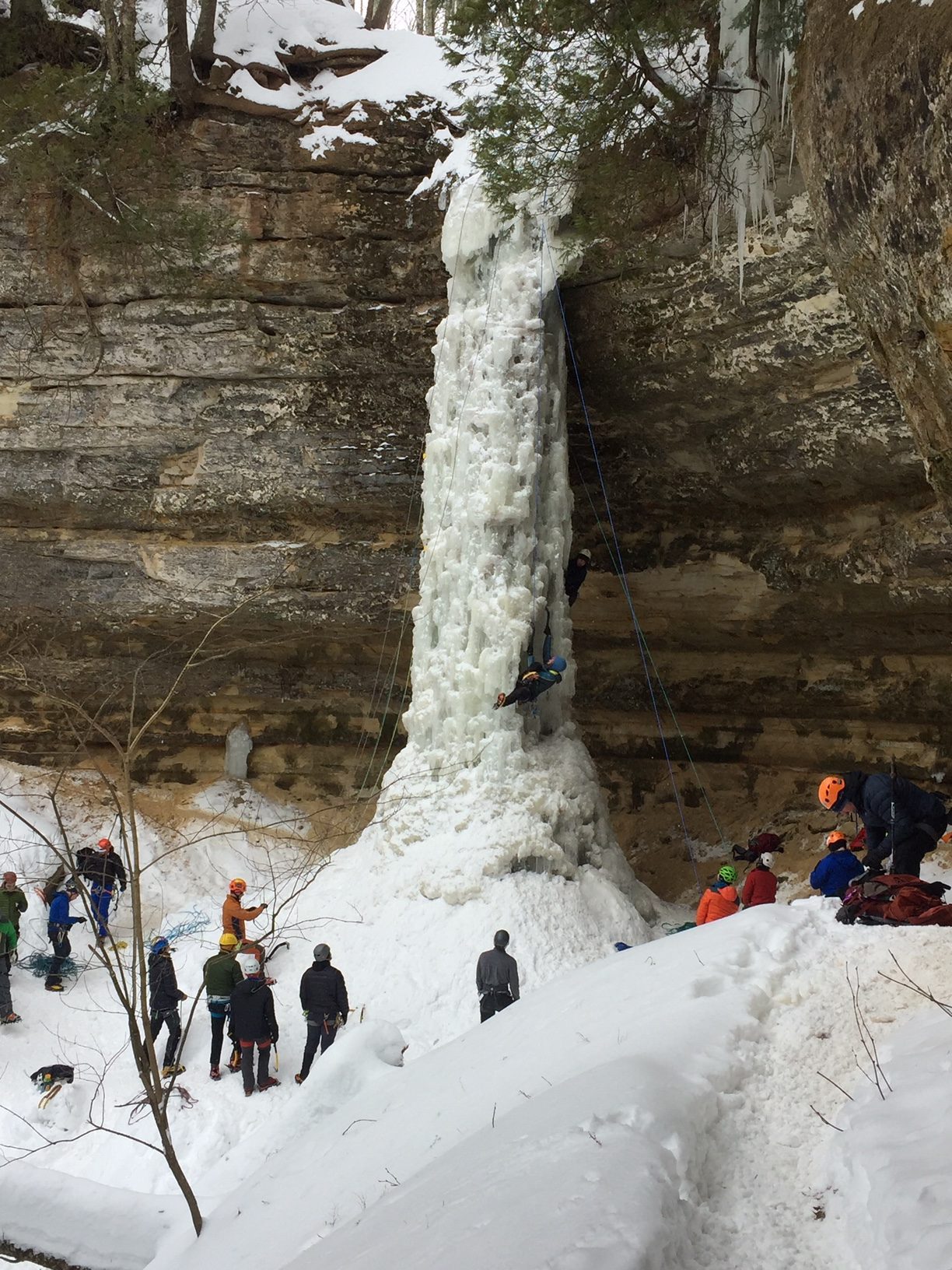
Michigan's natural landscapes possess a rare and democratic beauty—the kind that doesn't require a passport or a trust fund to experience. From the towering dunes of Sleeping Bear to the copper-colored cliffs of the Keweenaw Peninsula, the state offers a stunning array of environments that rival any national park. Yet this accessibility, combined with decades of haphazard development and well-intentioned but misguided improvements, has left many of Michigan's most treasured vistas under constant threat. The question isn't whether we can preserve what remains—it's whether we have the collective will to do so, one individual decision at a time.
The degradation of Michigan's scenic beauty rarely happens through grand, headline-grabbing disasters. Instead, it occurs through a thousand small cuts: the billboard that blocks a view of Lake Huron, the oversized house that dominates a previously pristine shoreline, the unnecessary road widening that destroys a tunnel of century-old maples. Each individual decision seems reasonable in isolation. The business owner needs visibility. The homeowner wants space for their family. The township wants to accommodate more traffic. But the cumulative effect is the slow erosion of the very qualities that make Michigan worth living in—or visiting—in the first place.
Consider the phenomenon that urban planners call "scenic sprawl"—the tendency for development to creep into the most beautiful areas precisely because they're beautiful. A pristine lake attracts a few tasteful cabins, which attract a small resort, which attracts more development, until the lake's beauty becomes its own undoing. This pattern has played out across Michigan's most coveted landscapes, from the shores of Lake Michigan to the forests of the Upper Peninsula. The irony is stark: we love these places to death.
But individual Michiganders aren't powerless in this process. The choices we make as property owners, consumers, and citizens create the market forces and political pressures that shape our landscapes. The most impactful individual actions often involve restraint rather than action—choosing not to clear-cut that woodlot, not to build that addition that blocks the neighbor's view, not to install lighting that contributes to light pollution obscuring our famously dark skies.
For property owners, the principle of "viewshed stewardship" offers a framework for responsible development. This means considering not just how a project looks from your property, but how it appears from public roads, neighboring properties, and natural vantage points. A house positioned thoughtfully among existing trees preserves the landscape's character far better than one that requires clearing everything in sight. Native landscaping—using plants that evolved in Michigan's climate and soil—creates beauty while supporting local ecosystems and reducing maintenance needs.
The seemingly mundane decisions of daily life also accumulate into landscape-scale impacts. Choosing local businesses over chain stores helps preserve community character and reduces the pressure for highway commercial development. Supporting farms and farmers' markets maintains agricultural landscapes that provide crucial scenic relief from urban sprawl. Even something as simple as properly maintaining your property—keeping paint fresh, lawns tidy, and signs appropriate—contributes to the overall visual health of your community.
Perhaps most importantly, individuals can influence policy at the local level, where most land-use decisions are made. Attending township meetings might not have the glamour of posting scenic photos on social media, but it's where the real work of landscape protection happens. Communities across Michigan have successfully implemented dark-sky ordinances, sign controls, and development guidelines that preserve scenic character while accommodating growth. These policies rarely emerge from government initiative alone—they require citizen advocacy and sustained community engagement.
The challenge extends beyond regulation to cultural change. Michigan needs to develop what landscape architect Ian McHarg called "ecological conscience"—an internalized sense of responsibility for the land that guides decisions even when no one is watching. This means recognizing that our individual property rights exist within a larger web of interdependence, where the health and beauty of the whole system ultimately determines the value of individual parts.
Photography and social media, surprisingly, can play a role in this cultural shift. When residents share images that celebrate Michigan's natural beauty rather than just dramatic weather or seasonal changes, they help build a shared visual vocabulary of what we're trying to protect. These images become evidence of what exists and what's at stake, creating constituencies for preservation that extend far beyond traditional environmental groups.
The window for preserving Michigan's scenic heritage won't remain open indefinitely. Climate change, population growth, and economic pressure will only intensify in coming decades. But the state's landscape still retains much of the character that prompted early explorers to write home about its extraordinary beauty. Whether future generations inherit that legacy or simply read about it in history books depends largely on the choices individual Michiganders make today—choices that may seem small in the moment but collectively determine the fate of one of America's most naturally blessed states.
The beauty of Michigan's landscapes belongs to all of us. Protecting it is a responsibility we all share.